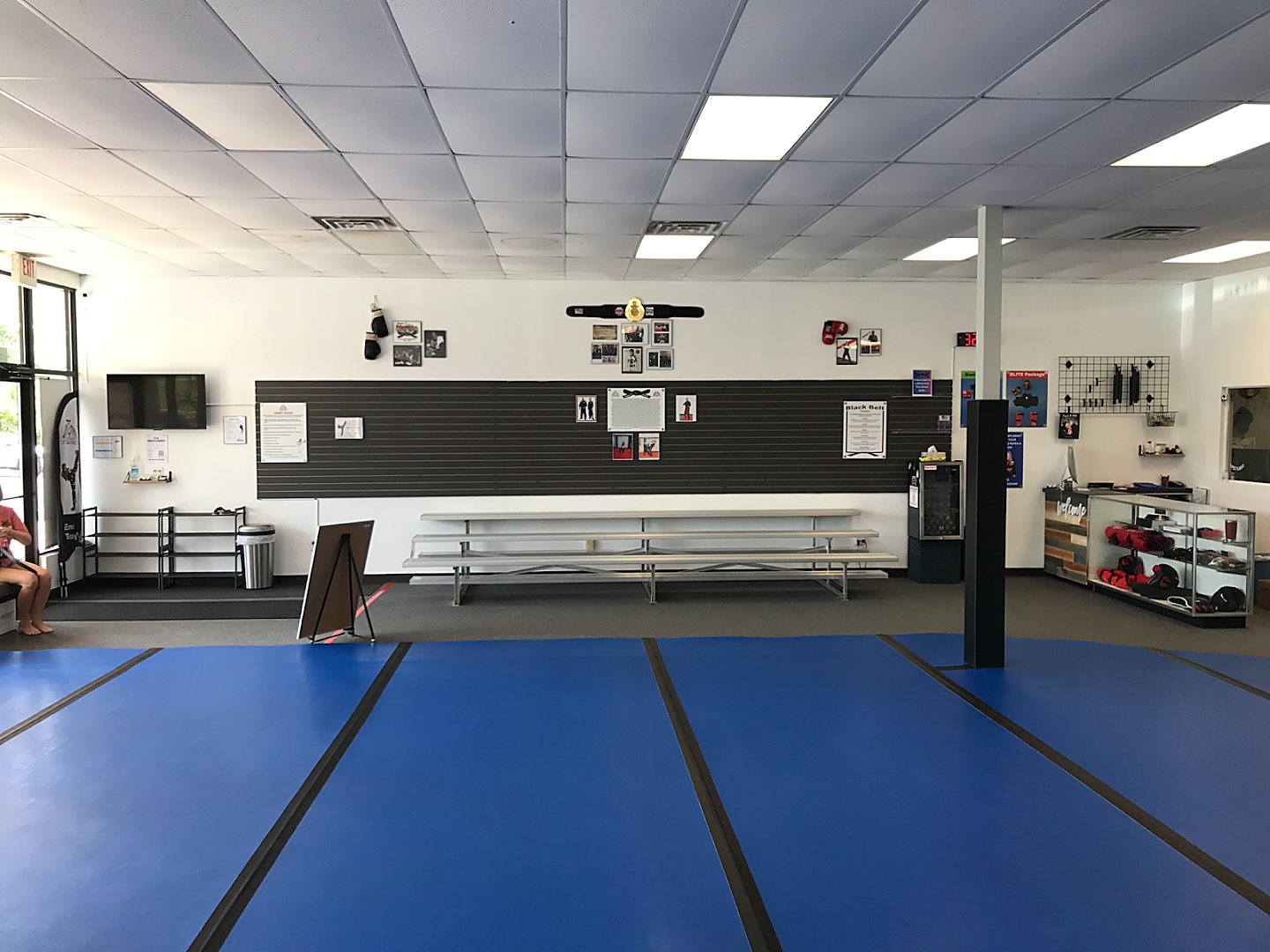
Choosing a martial arts school Grand Rapids families can feel good about starts with knowing what matters to you. Are you looking for confidence, coordination, focus, practical self-defense, or a positive activity after school? A clear goal makes it easier to compare schools beyond their websites and decide what kind of instruction will serve your child or you well.
At Super T Karate, we believe a good school teaches more than techniques. The right environment should be respectful, age-appropriate, and led by instructors who know how to help beginners progress. Here are seven questions to ask before you choose, whether you live in Northeast Grand Rapids, Plainfield Township, Comstock Park, Rockford, or elsewhere nearby.
1. What do you want from martial arts training?
Start with the purpose. A preschooler may need a playful place to practice listening and body awareness. A school-age child may want to feel more confident, learn self-control, or build skills with peers. A teen or adult may be interested in karate, kickboxing, or self-defense. Different goals can call for different class formats, so describe yours plainly when you contact a school.
Ask what students actually practice and how classes balance technique, movement, and character. A good answer should be specific without promising instant transformation. Training can support perseverance and confidence, but those qualities grow with participation over time. No school should suggest that a few classes guarantee safety or solve every challenge.
- Name one or two goals that matter most to you.
- Ask how a typical class supports those goals.
- Check whether the program is designed for your student’s age and experience.
2. Who teaches, and how do they work with beginners?
Credentials and experience matter, but so does the way an instructor communicates. Ask who leads the class, what experience they bring, and how they help a new student learn safely. Notice whether they explain expectations clearly, correct students respectfully, and make space for questions. A beginner should not be expected to know the terminology or keep up with advanced students on day one.
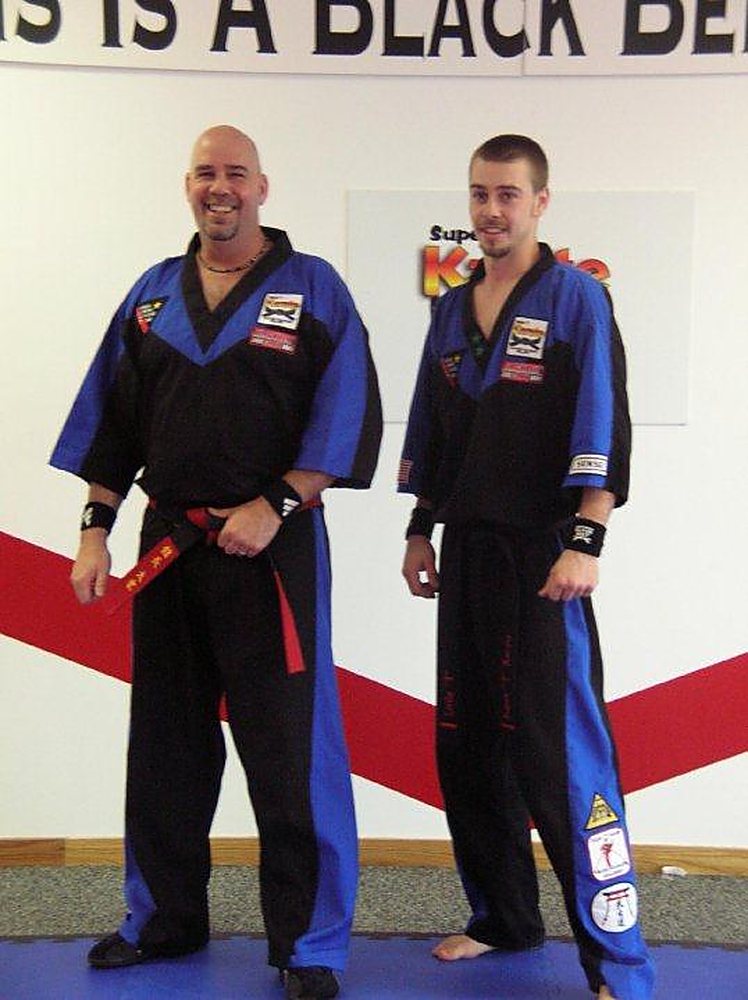
At Super T Karate, founder Master Terry “Super T” Gay has more than 50 years in martial arts. He is a 9th degree black belt, an International Martial Arts Hall of Fame member, and won the P.A.K.A. World Middleweight kickboxing title on Feb. 1, 1986, fighting on ESPN. Sensei Leah and Sensei Ryan teach alongside him. Experience is valuable, and our aim is to make that experience useful and approachable for each student.
Look for teaching, not just credentials
During a visit, watch how instructors respond when someone gets confused or needs a simpler explanation. Do they give a manageable cue and encourage another try? Do they keep attention on the group while maintaining awareness of individual students? These small observations often tell you more about the day-to-day experience than a long list of awards.
3. Is the program a fit for your student’s age and readiness?
Age divisions are not just labels. Young children benefit from short, structured activities that help them listen, move, and take turns. Older children can work toward more layered skills and longer practice periods. Teens and adults may have different goals and physical considerations. Ask how the school adapts instruction, and whether a student can begin without prior experience.
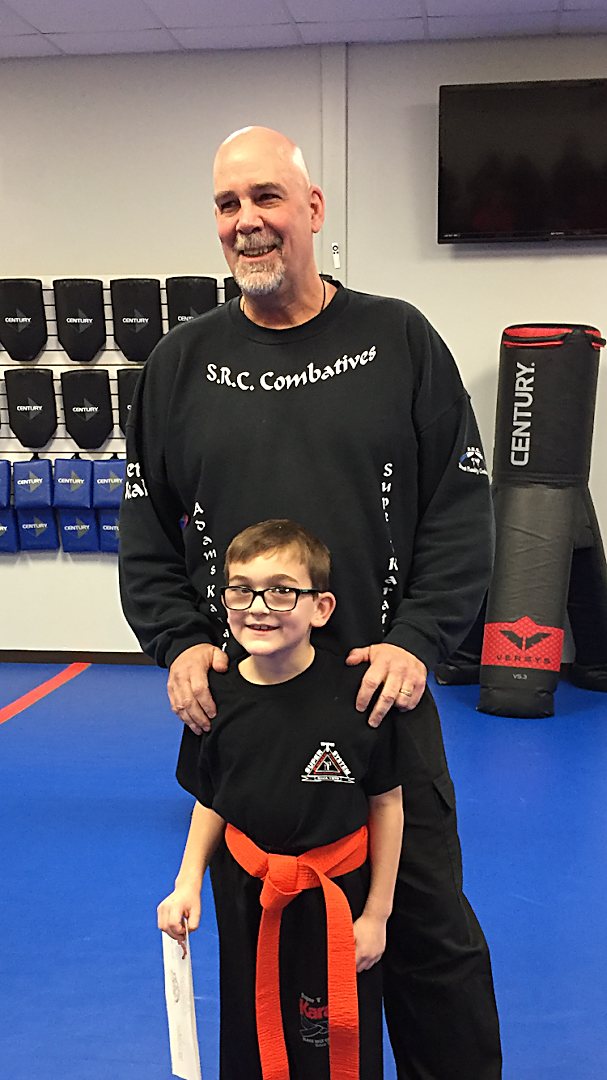
If you are choosing for a child, include the child in the visit when possible. Notice whether the environment feels encouraging rather than intimidating. A mom told us she first wanted her child to try a class before making a decision; seeing the instructor welcome a beginner helped the family feel more comfortable. Every student is different, so a first visit can help you assess your own child’s response.
- Ask which specific class best matches the student’s age.
- Mention relevant concerns, such as shyness or lack of experience.
- Find out what a beginner should bring and expect at the first class.
4. How does the school approach safety and respect?
Martial arts involves movement and partner practice, so ask how the school sets boundaries and manages activities. Look for clear instructions, attentive supervision, and a culture where students treat one another respectfully. Ask how instructors adapt drills for different abilities and what students are expected to do if they feel uncomfortable or need help.
A school’s philosophy should be visible in class behavior. At Super T Karate, our motto is “Common sense before self-defense.” That means judgment and restraint matter alongside physical skills. Ask a school how it talks about conflict, respect, and using skills responsibly. Be cautious of messaging built around fear, aggression, or the idea that training makes someone invulnerable.
Observe the whole room
Watch whether students can hear the instructor, whether transitions are organized, and whether corrections are calm and clear. Ask about the school’s expectations for parents and students, too. You deserve straightforward answers about how the class works and who to contact with concerns.
5. What does a normal class look like?
A polished demonstration can be exciting, but your decision should account for ordinary classes. Ask how a session is organized, how much time is spent moving, and whether students practice individually, together, or with partners. Find out how instructors help students build skills gradually. The goal is not to judge one student’s performance; it is to understand the learning environment.
If you can observe or try a class, notice whether the pace feels appropriate. Does the instructor make instructions understandable? Are students engaged? Is there a balance between effort and encouragement? These details help you picture whether the program will fit into your routine and whether the student might enjoy returning.
6. Does the location, schedule, and communication work for you?
Consistency is easier when getting to class is practical. Consider commute time, class days, parking, and the demands of school, work, and family routines. Super T Karate is at 4981 Plainfield Ave NE in Northeast Grand Rapids. Families also come from Plainfield Township, Comstock Park, Belmont, Rockford, Walker, Kentwood, and Cedar Springs. Check the current class options and ask which schedule suits your needs.
Also pay attention to how a school answers questions. Are program details easy to understand? Can you reach someone when you need clarification? Ask where to find updates and how the school communicates changes. A friendly, dependable contact is useful long after enrollment, particularly when a student is new and the family is learning the routine.
- Map the trip at the time you would normally travel.
- Check current class times rather than relying on an old listing.
- Ask how to get help with scheduling or beginner questions.
7. What is the first step, and what are the terms?
Before signing up, ask what the introductory experience includes, what you need to bring, and what happens afterward. Request clear information about any costs and enrollment terms before making a commitment. You should feel comfortable taking time to understand the details. A school should not pressure you with urgency or leave important conditions unclear.
At Super T Karate, the intro offer is one week of classes plus a free Super T T-shirt for $19.99. That gives a prospective student a chance to experience training before deciding what comes next. You can also review our frequently asked questions or contact us directly with questions about the visit.
How to compare a martial arts school Grand Rapids families visit
After visiting, write down your impressions while they are fresh. Compare how clearly each school answered questions, how instructors treated beginners, and whether the schedule and program aligned with your goals. Avoid choosing only by a dramatic demonstration or a single feature. A school’s regular teaching environment and communication habits matter more over time. Before you decide, consider asking the student what they noticed: whether instructions were clear, whether they felt included, and what they would like to try again. Their reaction is useful information, though one visit is only a first impression. You can also compare the school’s stated values with what you observed in class. If the school emphasizes respect, look for respectful communication between instructors and students. If it emphasizes practical skills, ask how those skills are taught responsibly. A thoughtful decision combines your priorities, the student’s comfort, and clear answers from the school. There is no need to choose based on pressure or promises of overnight change.
- The program matches the student’s age and goals.
- Instructors communicate clearly and treat students respectfully.
- You understand the approach to safety and responsible training.
- The schedule and location are workable.
- The first-step offer and enrollment terms are clear.
You may also want to learn who leads the school and what values guide instruction. Super T Karate has been open since 1992 and is family-run. You can read more about Master Terry here, and see what local students have shared on our reviews page. Reviews can offer perspective, but your own visit is the best way to see whether a school feels right for you.
Frequently Asked Questions
How do I choose a martial arts school in Grand Rapids?
Start with your goals, then compare age-appropriate programs, instructor communication, safety practices, schedules, and clarity about the first step. Visit or try a class if you can.
What should I look for in a beginner class?
Look for clear directions, respectful corrections, attentive supervision, and a pace that lets a new student participate without needing previous experience.
Can adults start martial arts with no experience?
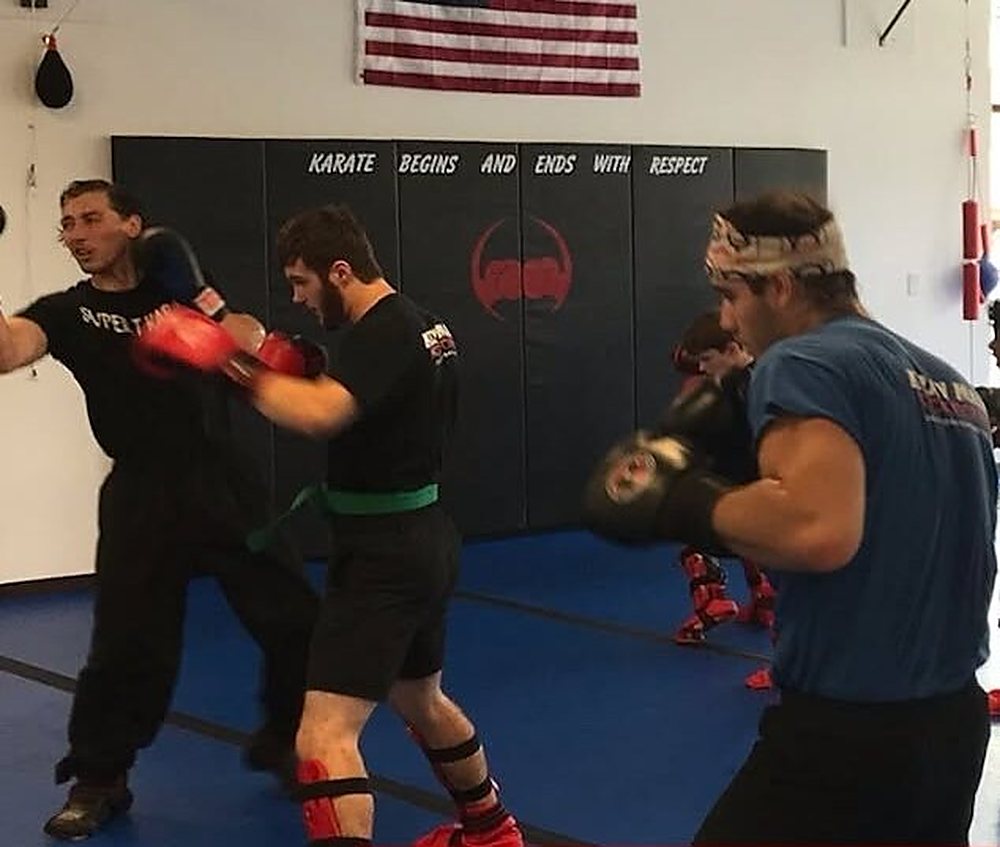
Yes. Ask whether the school welcomes beginners and how instruction is adjusted. At Super T Karate, the teen and adult program includes karate, kickboxing, and Krav Maga-style self-defense for ages 13 and up.
How can I tell if a school is safe and respectful?
Ask how instructors supervise practice, set boundaries, and respond to concerns. Observe whether students follow directions and treat one another appropriately.
Where is Super T Karate located?
We are at 4981 Plainfield Ave NE in Grand Rapids, serving the Northeast side and nearby communities. Call (616) 364-5111 or use our contact page to plan a visit.
Ready to see whether we are a good fit? Try one week of classes plus a free Super T T-shirt for $19.99. Explore the right program, then contact us to arrange your first step. We look forward to meeting you.
New Student Experience
Ready to See It In Person?
1 Week of Classes — $59 $19.99
Keep Reading
Parent Guide
Karate for Bullying: How Grand Rapids Kids Learn to Stand Up Without Fighting
Child Development
Kids Martial Arts for Focus and Confidence: What Grand Rapids Parents Notice First
Self-Defense
Self-Defense Classes Grand Rapids: Karate, Kickboxing or Krav Maga?
Parent Guide