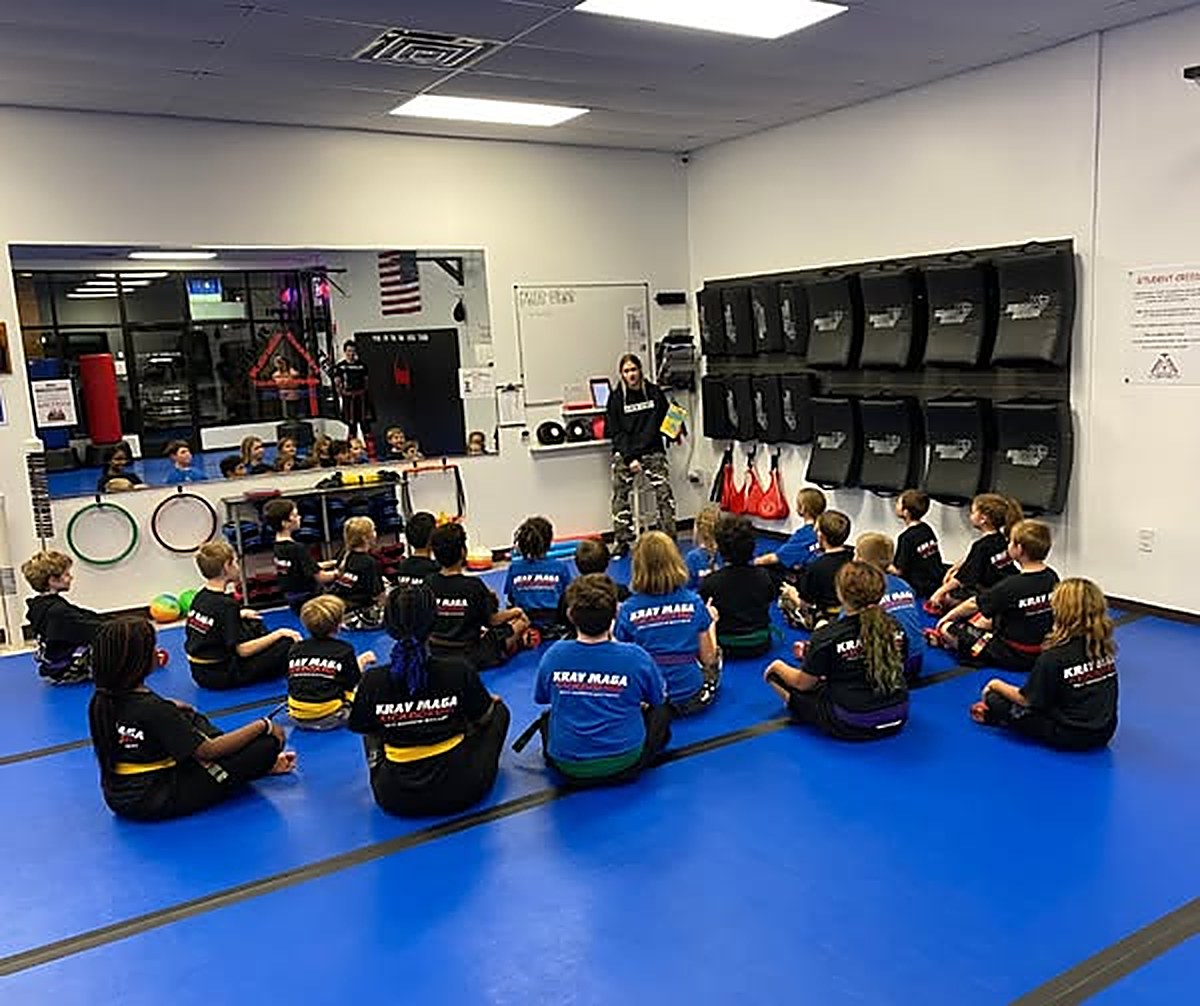
Ask anyone who has stuck with martial arts for years why they kept going, and you will often hear about a person, not a technique. A brother who never let them skip. A friend who signed up the same week. A dad who trained in the adult class while they trained in theirs.
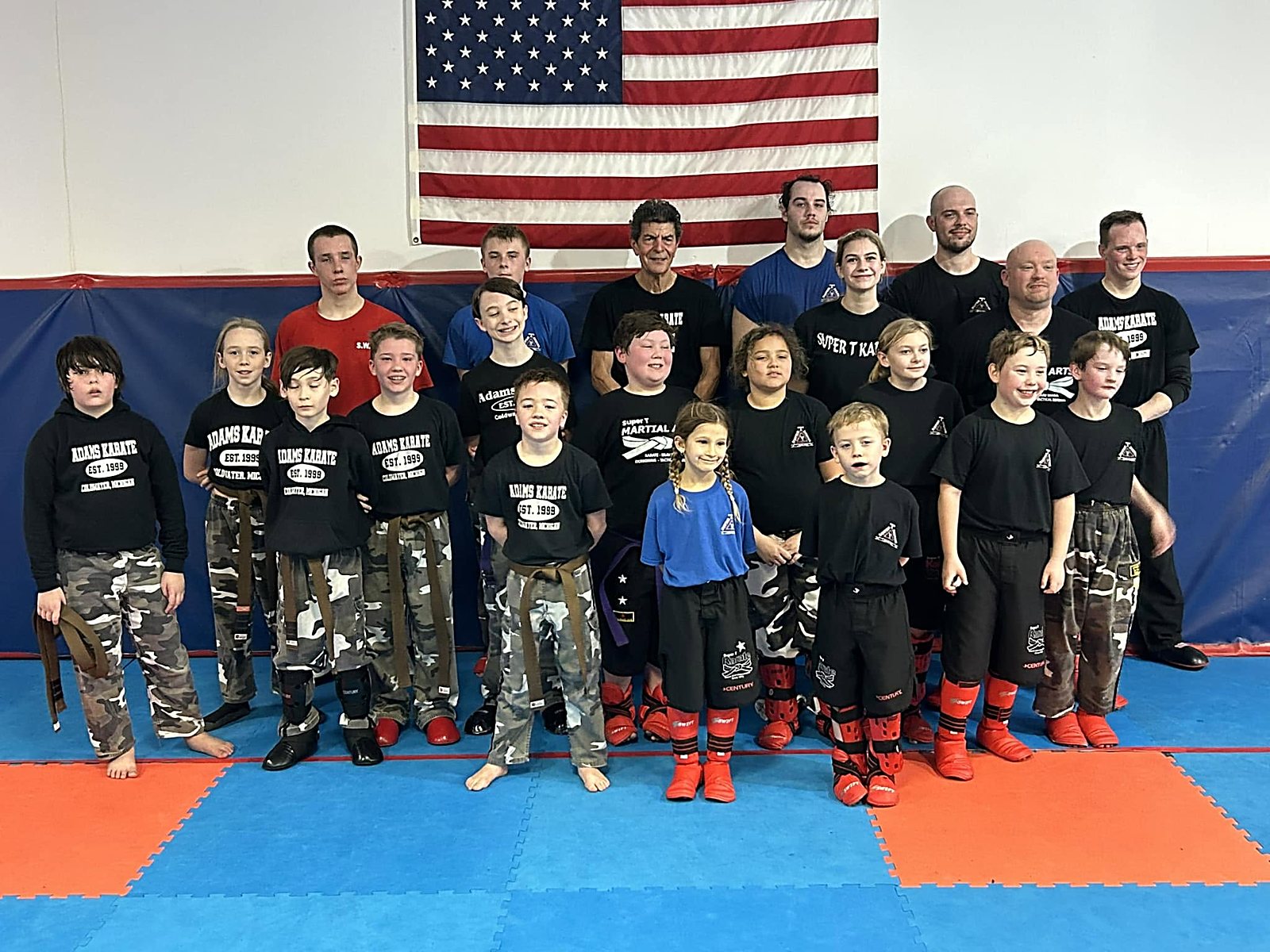
Martial arts training partners are one of the most powerful motivators we see at Super T Karate in Grand Rapids. They can also cause friction when expectations do not match. After more than 30 years teaching on Plainfield Ave NE, we have watched both sides play out many times.
This guide covers why training together works, the situations where it backfires, and simple ways families and friends can keep it positive.
Why Martial Arts Training Partners Work
Motivation fades. Every student hits a week when the couch looks better than the mat. A training partner changes that math, because skipping now means letting someone down.
Built-in accountability
When two people share a schedule, attendance rises naturally. Rides get shared, reminders get sent, and "are we going tonight?" turns into "see you there."
Someone to practice with at home
Skills improve fastest between classes. A partner at home or down the street means stances, blocks and combinations get repeated outside the academy, not forgotten until next week.
Shared language and shared wins
- Talking about class at dinner becomes easy when two people were there.
- Belt promotions feel bigger when someone close understands the work behind them.
- Hard days are easier when someone else knows exactly how tough that drill was.
Siblings Training at the Same School
Many Grand Rapids families enroll more than one child. Because our programs are split by age, siblings usually train in different classes: a little one in Super T Tigers for ages 4 to 5, and an older brother or sister in Kids Martial Arts for ages 6 to 12.
The upside for families
- One drive, one location, often back-to-back class times.
- Younger siblings look up to older ones and want to train harder.
- Older siblings practice leadership by helping at home.
- The whole family starts using the same language: focus, respect, self-control.
Where sibling training gets tricky
Siblings compare everything, and belts are very easy to compare. If one child moves faster, the other can feel left behind. We will cover how to handle that in a moment.
Friends Signing Up Together
Two friends from the same Northeast Grand Rapids neighborhood, or the same class at school, signing up together is one of the best ways to beat first-week nerves. Walking into a new room is far easier with someone you know.
- Shy kids often join in faster with a friend beside them.
- Parents can carpool from Plainfield Township, Comstock Park or Rockford.
- Friends challenge each other to remember new techniques.
The watch-out is distraction. Two best friends side by side can turn class into social hour. Instructors may pair them with other students for drills, and that is a good thing. It keeps both kids focused and helps them make new friends at the academy.
Adult Training Partners
Adults benefit from training partners just as much as kids. Our Teen & Adult program for ages 13 and up includes couples, coworkers, and friends who decided to get in shape together.
Why adults stick with it longer in pairs
- A standing plan beats willpower after a long workday.
- Pad work and self-defense drills need a partner, and a trusted one makes it comfortable.
- Progress feels more real when someone notices your improvement.
Parents training while kids train
We do not run a combined parent and child class. What many parents do instead is train in the adult class while their kids train in theirs. A dad told us that once he started training, his son stopped complaining about going, because now it was something they both did. Same school, separate classes, shared experience.
When Training Together Doesn't Work
Training partners are not automatically good. Here are the situations where we see it backfire most often.
1. Constant comparison
When one sibling or friend earns a stripe first, the other may feel like a failure. Kids progress at different speeds for many reasons: age, attendance, attention span, and physical development.
2. Mismatched goals
One partner wants to train four times a week and earn a black belt. The other wants a fun workout once a week. Neither is wrong, but forcing the same schedule frustrates both.
3. One person carrying the other
If one partner only shows up because the other drags them, motivation collapses the first time the dragging stops. Each person needs at least one personal reason to train.
4. Rivalry that gets physical
Siblings sometimes take techniques home and turn them into wrestling matches on the living room carpet. That is the moment to remind everyone of Master Terry's motto: "Common sense before self-defense." Skills are for safety and self-control, not settling arguments.
How to Keep Training Together Positive
Most of these problems are easy to prevent with a few simple habits.
- Praise effort, not rank. Ask "what did you work hard on?" instead of "did you get a stripe?"
- Celebrate each person's wins separately, so no one feels like a sidekick.
- Let each partner set personal goals, even if they train on the same nights.
- Keep practice at home cooperative: one person holds a pillow as a pad, then switch.
- Ask the instructor for help. We can adjust pairings and talk with kids about comparing.
Our instructors watch for comparison problems closely. Sensei Leah and Sensei Ryan grew up in a martial arts family themselves, so they understand sibling dynamics better than most.
Training Partners at Every Age
What a good training partner looks like changes as kids grow. Matching expectations to age keeps the experience positive for everyone.
Preschoolers (ages 4 to 5)
At this age, a training partner is mostly about comfort. A familiar face in the room helps a little one stay on their spot and try new things. Do not expect four-year-olds to coach each other. Just let them enjoy being in it together.
Elementary kids (ages 6 to 12)
This is where partners start to really help. Kids this age can remind each other of steps, practice simple drills at home, and cheer each other on at belt testing. It is also the age when comparison shows up, so the habits above matter most here.
Teens
Teens care a lot about who else is in the room. Signing up with a friend can be the difference between a teen trying martial arts or never walking through the door. Once they are comfortable, many teens find a whole new friend group on the mats.
Adults
For adults, the best partner is someone with a similar schedule and similar goals. A coworker who wants two classes a week is often a better match than a spouse who wants five. Pick a partner who makes showing up easier, not harder.
A Simple Weekly Plan for Training Partners
Structure makes good intentions stick. Here is a plan we suggest to families and friends who start together.
- Pick two class nights and put them on the family calendar like any other practice.
- Agree on a backup night in case one partner misses.
- Spend five minutes at home once during the week reviewing one technique from class.
- Each partner names one personal goal for the month, like a cleaner kick or more confidence speaking up.
- At the end of the month, talk about what improved for each person, separately.
This keeps the partnership about support. It gives everyone a reason to show up, a way to practice, and a moment to celebrate individual progress without turning it into a race.
What instructors look for
- Partners who encourage each other instead of correcting each other harshly.
- Kids who can focus when separated from their friend for a drill.
- Families who celebrate effort at promotions, whatever color belt is handed out.
When we see those signs, we know training together is working. When we do not, we step in early, usually with a quick conversation and a change in pairings, so small issues never become reasons to quit.
Frequently Asked Questions
Is it better to start martial arts with a friend?
For many beginners, yes. A friend makes the first week less intimidating and improves attendance. Just make sure each person has their own reason to train.
Can siblings of different ages train together?
Siblings train at the same school but usually in age-based classes, which keeps coaching right for each child.
Do you offer a parent and child class?
Not at this time. Many parents train in our Teen & Adult class while their kids train in their own program.
What if one sibling advances faster?
That is normal. Focus on effort and personal goals, and let instructors help both kids see their own progress.
Can adult training partners attend the same class?
Yes. Couples and friends regularly train side by side in our Teen & Adult program.
Find Your Training Partner at Super T Karate
Whether it is a sibling, a friend, or a parent, the right martial arts training partner can make the difference between quitting in a month and training for years. Super T Karate has been a family-run Grand Rapids school since 1992, and training together is part of our culture. Read more about our story.
Bring someone with you. Each person can start with our one-week intro: a full week of classes plus a free Super T T-shirt for $19.99. Choose Super T Tigers, Kids Martial Arts, or Teen & Adult and train together from day one.
New Student Experience
Ready to See It In Person?
1 Week of Classes — $59 $19.99
Keep Reading
Parent Guide
Karate for Bullying: How Grand Rapids Kids Learn to Stand Up Without Fighting
Child Development
Kids Martial Arts for Focus and Confidence: What Grand Rapids Parents Notice First
Self-Defense
Self-Defense Classes Grand Rapids: Karate, Kickboxing or Krav Maga?
Parent Guide