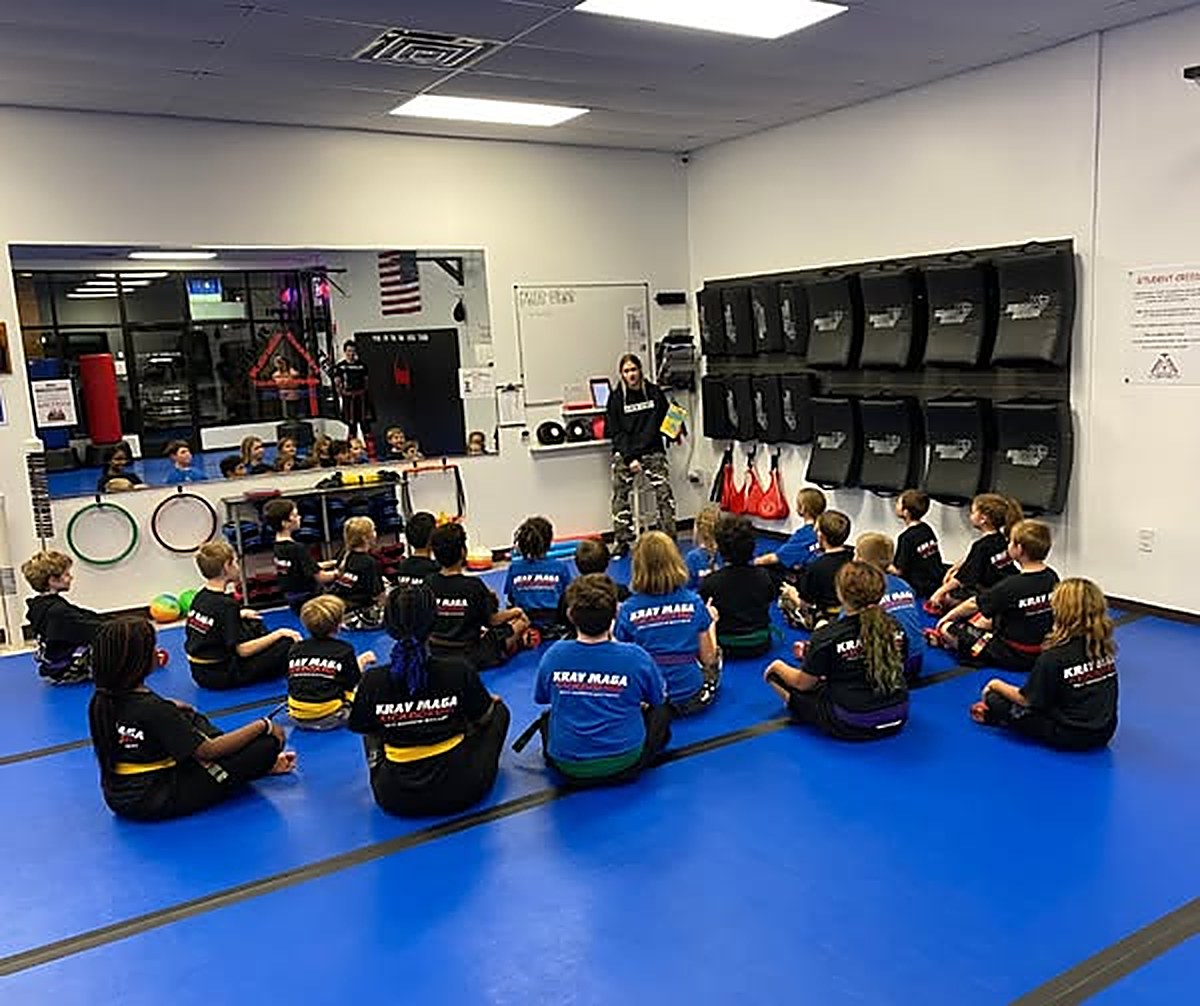
Parents often ask us about the best age to start karate, hoping for a clear number that guarantees a good experience. The honest answer is that readiness matters as much as age. Attention, comfort in a group, interest in movement, and the way a class is taught all affect whether a student is prepared to begin.
At Super T Karate in Grand Rapids, we offer programs for young children, school-age students, teens, and adults. Each stage can bring different reasons to train, and starting later does not mean someone has missed their chance. This guide walks through ages 4–5, 6–9, 10–12, teens, and adults so you can consider what fits your family now.
The best age to start karate depends on readiness
Karate is not a race, and children develop at different rates. One preschooler may be eager to join a group, while another may need more time to feel comfortable. Some children arrive with lots of energy and need practice listening to directions; others are quiet but attentive. Neither personality tells the whole story about how a child will do.
Before choosing a class, consider whether the student can take simple directions, participate around other people, and recover from small frustrations with support. They do not need to arrive with perfect focus, athletic ability, or prior martial arts experience. A good beginner program teaches foundational routines and gives students a chance to practice them over time.
- Does the student show curiosity about movement or martial arts?
- Can they try a short group activity with encouragement?
- Does the program’s age range and teaching style match their current needs?
If you are uncertain, ask the school what a first class looks like and whether a parent can observe. A brief visit can make the idea less abstract for a child and help you see how they respond to the instructor and setting.
Ages 4–5: Super T Tigers
For many preschoolers, training is an introduction to structured movement rather than a focus on advanced technique. In a class designed for this age, children can practice listening, following directions, coordination, balance, and taking turns. The experience should feel encouraging and manageable, with clear routines and activities suited to young attention spans.
Our Super T Tigers program is for ages 4–5. At this stage, the goal is to help children become familiar with class expectations and enjoy learning through movement. They are still developing coordination and emotional regulation, so patient instruction and positive reminders are important. Families should not expect a preschooler to behave like an older child or master every skill immediately.
How to tell if a preschooler may be ready
Readiness can look like being willing to enter a new room, trying a short activity, or watching first and joining when comfortable. A child who is shy may still enjoy class once the environment becomes familiar. Talk with the instructor about what helps your child feel secure, and let the first experience be an introduction rather than a test.
- Choose an age-specific class instead of expecting a preschooler to follow an older group.
- Keep expectations simple: listen, move, try, and return to the routine.
- Ask what parents can do to help a first-time student settle in.
Ages 6–9: building routines and confidence
Many children in this age range are ready for a more structured class. They can begin connecting instructions to a sequence of movements, practicing patience while others take a turn, and working toward a skill in small steps. Training can provide a positive routine outside school, while movement and practice offer a constructive way to use energy.
Our kids martial arts classes serve ages 6–12, including children in this stage. Ask how instructors introduce skills, support different learning speeds, and help new students participate. A child does not need to be outgoing or naturally coordinated to begin. Repetition and helpful feedback are part of learning, not signs that a student is falling behind.
A parent might notice a child becoming more willing to try something unfamiliar, but progress is personal and cannot be promised on a schedule. A mom told us she appreciated seeing her child get encouragement to try again instead of being expected to get everything right immediately. That kind of supportive experience can matter as much as the technique itself.
Questions parents can ask at this stage
- How do new students learn the class routine?
- How do instructors encourage effort without comparing children?
- Can a student begin even if they have never taken a martial arts class?
Ages 10–12: more focus, responsibility, and skill-building
Older elementary and middle-school students may be able to sustain attention for more detailed instruction and understand why practice matters. They can start taking greater responsibility for remembering routines, listening to feedback, and setting personal goals. These are still growing abilities, so instructors should offer structure while respecting each student’s pace.
Kids ages 6–12 can explore our children’s program, and it is useful to ask how classes work for students at the older end of that range. Some may be eager for a challenge; others may be trying martial arts for the first time and feel unsure. Both can start as beginners. The best fit is a class where students are encouraged to focus on their own learning rather than compete with someone else’s timeline.
Training may also provide a place to practice composure and respect. Those ideas are central to how we teach. Super T Karate’s motto is “Common sense before self-defense.” Physical skills should be paired with judgment, self-control, and awareness, not a belief that conflict is something to seek.
- Let the student name what they hope to learn.
- Ask about class expectations and how progress is explained.
- Keep conversations focused on effort and learning, not rank alone.
Teens: a meaningful time to begin
There is no need to start in early childhood to benefit from martial arts training. Teens can begin with no previous experience and develop skills through regular practice. They may be interested in karate, kickboxing, or practical self-defense, or they may simply want a positive activity that asks them to move, pay attention, and keep learning.
Our teen and adult program is for ages 13 and up and includes karate, kickboxing, and Krav Maga-style self-defense. Ask which class best fits the teen’s goals, experience, and comfort level. It is worth discussing scheduling and any physical considerations with the school before starting, so the student understands what to expect.
For a teen, having a voice in the decision can help. Invite them to ask questions and say what makes a class feel welcoming or uncomfortable. A supportive instructor will explain expectations, encourage responsible practice, and help a beginner participate without being treated as though they should already know the material.
Adults: it is not too late to start karate
Adults begin for many reasons: learning a new skill, getting more active, exploring self-defense, or returning to something they enjoyed years ago. There is no single age at which a person becomes too old to start. Fitness, mobility, medical considerations, and personal goals vary, so speak with instructors about how to approach training appropriately for you.
At Super T Karate, adults can explore karate, kickboxing, and Krav Maga-style self-defense in the teen and adult program. Beginners are welcome to ask what a class involves and what to wear or bring. You do not need to be in peak condition before you start; ask about pace and modifications, and choose a level of effort that is suitable for your circumstances.
Starting as an adult beginner
It can feel awkward to learn in front of others, especially if you are used to being competent in your work or daily life. Remember that everyone was new to something once. Focus on listening, learning a small piece at a time, and asking for clarification when you need it. Consistent attendance is more useful than expecting yourself to master everything at once.
How to decide if now is the right time
Instead of asking only for the perfect age, think about the student in front of you. Is there a program intended for their stage? Do they have interest, even if it is cautious? Can the schedule work for the household? Do you feel comfortable with the instructors’ approach? These practical questions can help you make a confident decision without turning training into another source of pressure.
- Match the student’s age to the school’s specific program.
- Visit or ask about a trial experience before making a longer-term decision.
- Explain any concerns about attention, confidence, mobility, or prior experience.
- Give the beginner time to learn the routine and decide how they feel.
Super T Karate has been open since 1992 and is family-run. Master Terry “Super T” Gay has more than 50 years in martial arts, is a 9th degree black belt, and is an International Martial Arts Hall of Fame member. Sensei Leah and Sensei Ryan teach alongside him. Our about page shares more about Terry and the school’s background.
We serve Northeast Grand Rapids and nearby communities including Plainfield Township, Comstock Park, Rockford, Belmont, Kentwood, Walker, and Cedar Springs. Our school is at 4981 Plainfield Ave NE. If you have a question about age or readiness, call (616) 364-5111 or visit our contact page.
Frequently Asked Questions
What is the best age to start karate?
There is no single best age for everyone. The right time depends on a student’s readiness, interest, and access to an age-appropriate class. Beginners can start as children, teens, or adults.
Can a 4-year-old start karate?
Some 4-year-olds are ready for a class made for preschoolers. Super T Tigers serves ages 4–5, with age-appropriate instruction and movement. Ask about the class routine and how a first visit works.
Is 6 too young to begin martial arts?
Not necessarily. Many six-year-olds can participate in a children’s program, though readiness varies. Look for a supportive class that welcomes beginners and provides clear directions.
Can teens or adults start karate with no experience?
Yes. Teens and adults can begin without prior training. Ask about the program format, pace, and options that match your goals and physical needs.
How do I know if my child is ready for a martial arts class?
Consider whether your child can try a short group activity with support and whether the class is designed for their age. A visit or introductory class can help you assess fit.
The best age is the age when a student is ready to explore a well-matched class, with room to learn at their own pace. Try one week of classes plus a free Super T T-shirt for $19.99. Start with Tigers for ages 4–5, kids classes for ages 6–12, or our teen and adult program, then contact us to plan a visit.
New Student Experience
Ready to See It In Person?
1 Week of Classes — $59 $19.99
Keep Reading
Parent Guide
Karate for Bullying: How Grand Rapids Kids Learn to Stand Up Without Fighting
Child Development
Kids Martial Arts for Focus and Confidence: What Grand Rapids Parents Notice First
Self-Defense
Self-Defense Classes Grand Rapids: Karate, Kickboxing or Krav Maga?
Parent Guide